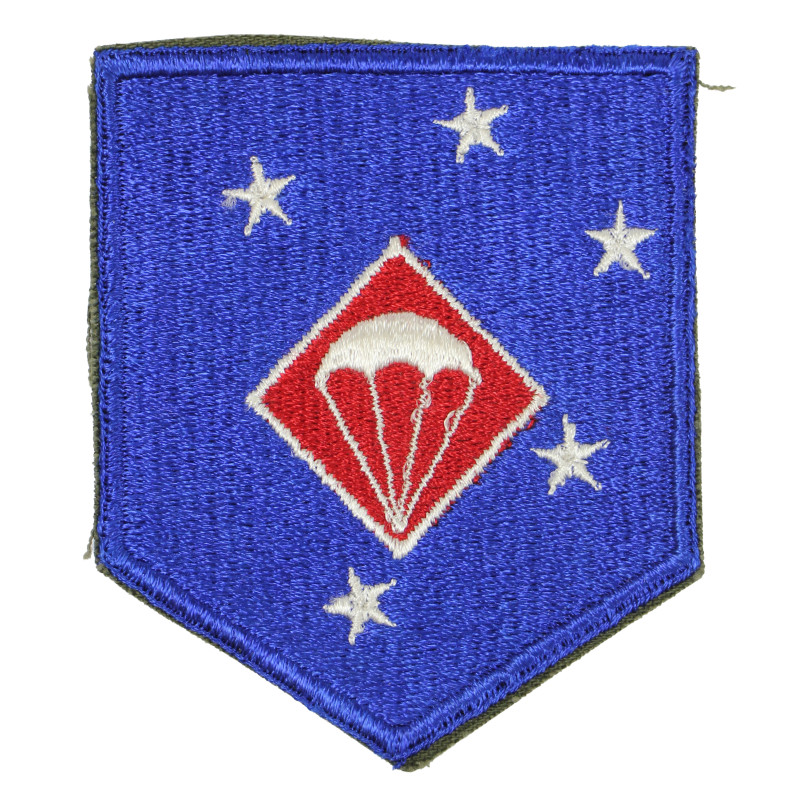
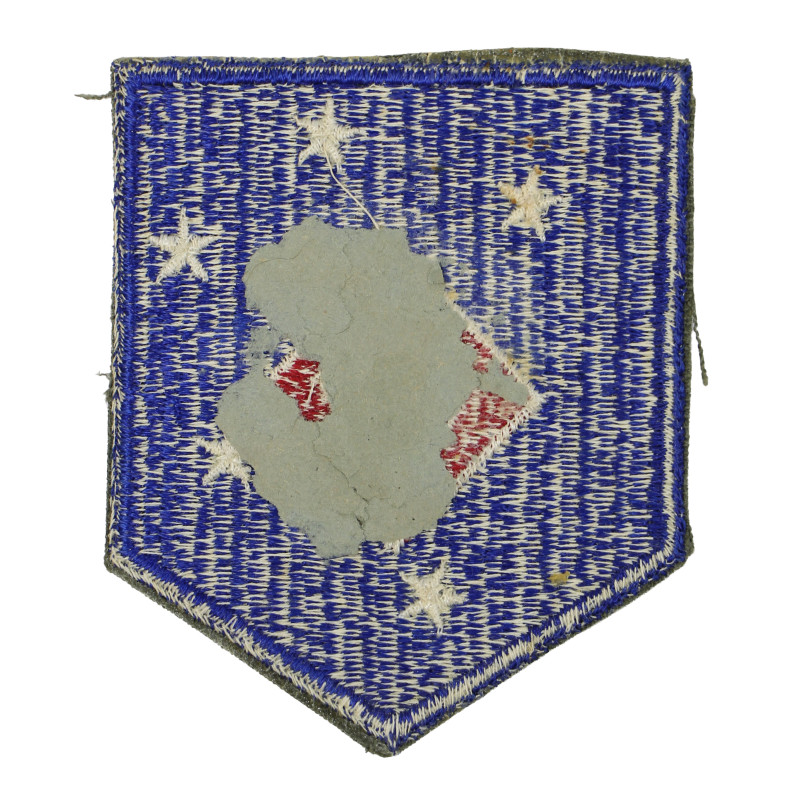
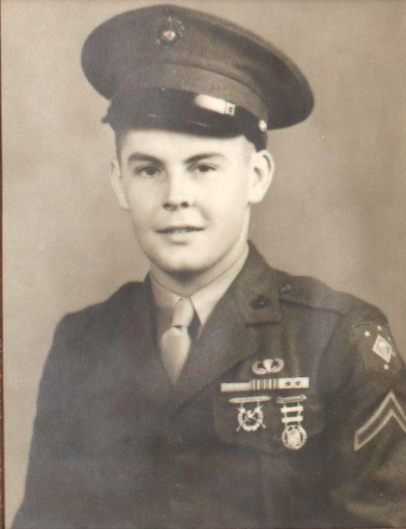
In 1940, the Marine Corps introduced a new training program for its own parachute units. Three battalions became operational and were finally gathered together in the 1st Marine Parachute Regiment, but none of them was ever sent in an aerial assaut — respectively deployed on Guadalcanal in 1942 and on Choiseul Island in 1943, the first and second battalions actually fought as amphibious forces. The evolution of the various special units' doctrine of use, along with the lack of appropriate air support for massive airborne operations, eventually spelled the end of the Paramarines in February 1944.
Some elements were transferred to the 5th Marine Division and fought on Iwo Jima in early 1945, including Private First Class Ira Hayes who participated in the second flag-raising on top of Mount Suribachi. For the record, a handful of Paramarines parachuted into France as part of a mission led by the OSS to support the French Resistance.
Please enter at least one character for your customization
Your customization has been saved
check_circle
check_circle
The historical artifacts for sale at PARATROOPER’s are intended for collectors, history enthusiasts, historians and museum curators. These items do not glorify or promote any of the political, ideological or racial opinions related to the global conflicts that bathed the 20th century in blood.
Besides, we remind you that Article R.645-1 of the French Penal Code establishes fines applicable to fifth class contraventions (except in the specific cases of a filming, show or exhibition which refer to historical events) for any individual who wears a uniform, insignia or symbol reminiscent of those worn by members of the various organizations declared criminal in application of Article 9 of the Charter of the International Military Tribunal annexed to the London Agreement of August 8, 1945 – SS, SD, Gestapo, Nazi leaders (the Führer, the Reichsleitung, the Gauleiters and their main collaborators, the Ortsgruppenleiter, the Zellenleiter and the Blockleiter), or reminiscent of those worn by any person found guilty, by a French or International Jurisdiction, of one or several crimes against humanity established by Articles 211-1 to 212-3 or mentioned in Law No. 64-1326 of December 26, 1964.
The Code provides additional penalties, including the confiscation of the items used or intended for committing the offence.